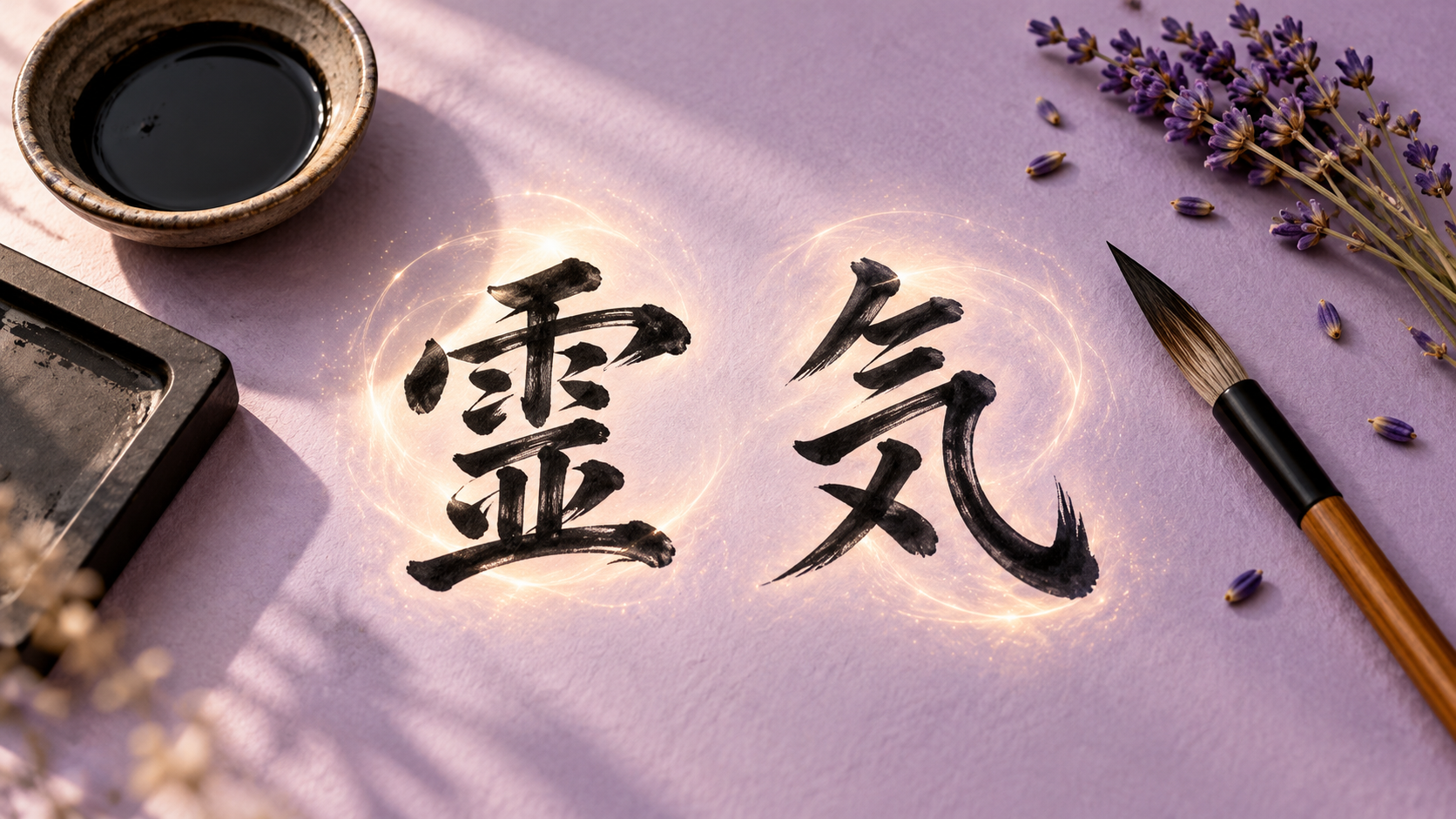
TL;DR: What Is Reiki in 30 Seconds
Reiki is a Japanese alternative medicine and energy healing practice developed in 1922 by Mikao Usui.
Literal Meaning and Origin
- Rei: means “universal,” “divine,” or “mysterious.”
- Ki: means “life energy” or “vital force,” comparable to chi in Chinese or prana in Sanskrit.
- Combined: the word translates loosely to “universal life energy” or a “mysterious atmosphere” or “miraculous sign.”
Many people feel calm and relaxed after Reiki, but NCCIH says there is no scientific evidence for the energy field itself. Use it beside medical care, never instead of it.
Reiki is a Japanese term, REI means universal and KI means vital life force energy. This universal energy is defined as Chi in China, Bio-plasmic energy in Russian and Prana in Sanskrit. Vital life force energy is one of the highest forms of energy flowing through all living things.
Reiki is of Vedic origin, it was rediscovered by Buddha and was lost to humanity. It was rediscovered during 1800′ by Dr.MIkao Usui.

Some of his students asked, “Do you know the technique, in which Jesus Christ healed people by touch or by saying “YOU ARE HEALED”.Of course, he didn’t know the answer. As he was not able to answer his students, he thought he had lost his credibility. He considered himself morally bound to answer every question of his students. He resigned from his job and started on a lifelong quest to find an answer to this question.
DR.Mikao Usui visited India, China, and Tibet and researched Buddha. He learned Sanskrit and Chinese. While in Tibet, he came across a scripture which he thought would lead to the rediscovery of this technique.
On going back to Japan, he meditated on the top of a holy mountain Kurama, near Kyoto, for 21 days, at the end of which he got the Revelation, and later spent his years teaching this technique to others. Dr.Usui passed away on March 9th, 1926, at the age of 62. He passed on the system to Dr.Chijirao Hayashi for further development.
Dr. Hayashi’s main contribution has been to start the First REIKI Clinic in Kyoto and taking specific measures to preserve the system during the Second World War.
It was Mrs.Hawayo Takata who preserved the system during the war period and made it available to the modern world. During 1970-1980, she trained twenty-two, REIKI Masters and Trainers.
Though REIKI is a very ancient system of healing, it became available to the modern world only from 1970.
What Is Reiki? The Quick Answer
Reiki is a gentle Japanese energy healing practice where a practitioner rests their hands lightly on, or just above, a fully clothed person to invite deep relaxation and a feeling of balance. The word joins “rei,” meaning universal, and “ki,” meaning life force energy. Most people come to it for calm and stress relief, and it sits beautifully beside medical care, never in place of it.
Where Reiki Came From: Usui, Hayashi and Takata
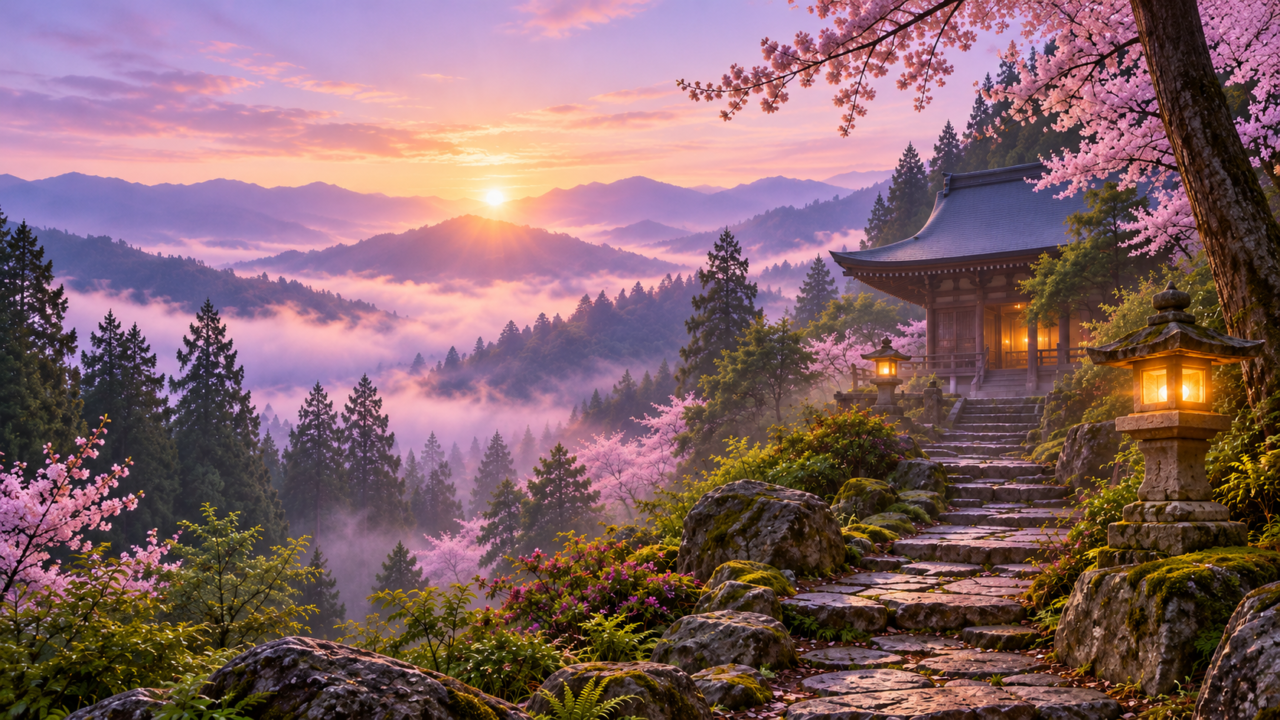
I love this part of what is Reiki history, and I share it with a gentle note: it has been handed down through Reiki lineages, so hold the details as tradition, not courtroom record.
- Mikao Usui, a Japanese teacher, is credited with developing Reiki in 1922, after 21 days of meditation on Mount Kurama near Kyoto.
- Chujiro Hayashi, one of his students, opened a Reiki clinic in Kyoto and helped shape how the practice was taught.
- Hawayo Takata learned from Hayashi and carried Reiki to Hawaii and the wider West in the late 1930s.
- In the 1970s and 1980s, Takata trained Reiki Masters of her own, and that is a big reason Reiki reached homes like yours and mine.
5 Things About Reiki That Might Surprise You
1: Reiki is felt before it is explained
Ask ten people what a session feels like and you will hear warmth, tingling, heaviness, floating, or sometimes nothing at all. Every one of those is welcome. More than once, I have watched someone drift off to sleep in the first few minutes, and I took that as the best compliment I could receive.
2. Scientific Research on Reiki Is Growing
Reiki is increasingly being studied in clinical settings, and research findings are encouraging.
Several randomized controlled trials and systematic reviews have reported positive outcomes, including reduced stress, anxiety, and pain, as well as improvements in quality of life.
For example, a 2024 meta-analysis involving 824 participants found that Reiki had a significant effect on reducing anxiety. A 2025 systematic review of randomized controlled trials also reported improvements in quality of life among people receiving Reiki.
Although researchers continue to investigate how Reiki works and where it may offer the greatest benefits, these findings add to the growing body of scientific literature exploring Reiki as a complementary wellness practice.
For me, it’s encouraging to see a practice that has been shared for generations receiving increasing attention in scientific research.
3. Reiki Shows Promising Results for Comfort and Well-Being
So, what does research tell us about Reiki’s benefits?
Several studies have explored Reiki in healthcare settings, examining its effects on pain, anxiety, stress, and emotional well-being. The findings are encouraging, particularly when it comes to relaxation and comfort.
One interesting example comes from University Hospitals in Cleveland, where researchers observed 392 Reiki sessions lasting approximately 15–20 minutes. These sessions were offered to patients undergoing cancer infusion treatments.
Patients reported improvements in discomfort and cancer- and treatment-related symptoms following their Reiki sessions.
While this particular study did not include a control group, its findings add to the growing interest in exploring Reiki as a complementary practice in healthcare.
4: It is gentle
Part of understanding what is Reiki is knowing how gentle it is. NCCIH notes that Reiki has not been shown to have any harmful effects, and that is wonderfully reassuring if you feel nervous about trying it. Still, gentle does not mean it replaces a diagnosis, your medication, or a visit to your doctor.
Note: if you are living with a health condition, let Reiki walk beside your medical care, never in front of it.
5: The principles do as much work as the hands
One beautiful aspect of Reiki is that it extends beyond hands-on healing.
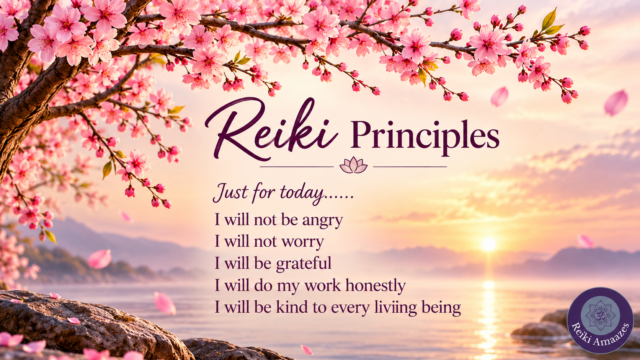
The traditional Reiki practice includes five principles, often called the Reiki precepts:
- Just for today, I will not be angry.
- Just for today, I will not worry.
- Just for today, I will be grateful.
- Just for today, I will do my work honestly.
- Just for today, I will be kind to every living thing.
These principles encourage mindfulness, gratitude, personal responsibility, and kindness in everyday life.
You can explore them in more detail in my article on the Five Reiki Precepts.
What Happens in a Reiki Session
If you are wondering what is Reiki like in the room, it is quiet and simple, and nothing to be nervous about. You stay fully clothed, lying down or seated. I place my hands lightly on you or hold them just above your body, moving through areas like the head, heart, stomach and legs. There is no pressure and no manipulation.
Some practitioners play soft music and others sit in silence. You might drift into that lovely half-asleep space, and that is your body letting go. I always tell people it is not a performance, so there is nothing to get right.
My Tip: eat lightly beforehand, wear loose clothes, and tell your practitioner about anything you would like left alone, such as a tender area or a preference not to be touched at all. Many of us are happy to keep our hands slightly above the body.
And if you cannot travel to someone, please read why distance is no barrier to healing before you decide Reiki is out of reach.
What Is Reiki Evidence So Far? A Snapshot
| Question | What the sources say |
|---|---|
| Is there proof of the energy field? | Yes! Research into Reiki is growing, with promising findings on relaxation, stress reduction, and emotional well-being. |
| Does it help with pain? | Cleveland Clinic points to a review suggesting it can relieve pain. |
| Does it help during cancer treatment? | A 2024 University Hospitals observational study of 392 sessions reported reduced symptoms. |
| Is the overall evidence strong? | An older systematic review found it insufficient because of study flaws. |
| Is it safe? | NCCIH notes no harmful effects have been shown. |
If you like to read for yourself the Wikipedia entry on Reiki.
Is Reiki Right for You? A Simple Decision Guide
Reiki can be explored by people with different beliefs, backgrounds, and experiences.
You might find it worth trying if:
- You feel stressed and want some time to relax.
- You’re curious about energy healing and want to experience it yourself.
- You enjoy meditation and mindfulness practices.
- You want a complementary wellness practice alongside your existing healthcare.
- You’re interested in learning Reiki for yourself or others.
You don’t have to be convinced that Reiki works before trying it. Curiosity is enough.
Common Mistakes When Starting With Reiki
Most of these start with a fuzzy answer to what is Reiki and what it can realistically do. I have made a few of them myself.
- Expecting fireworks in the first session.
- Treating Reiki as a cure and skipping medical advice.
- Choosing a practitioner on price alone without asking about their training.
- Giving up after one session, when the effect is often gradual.
Quick Checklist Before Your First Session
Before you book, be clear on what is Reiki to you and what you hope to receive from it.
- Ask your practitioner about their training and lineage.
- Eat lightly and wear comfortable clothes.
- Mention any health condition you are managing.
- Decide what you would love to notice afterward: sleep, mood, tension.
- Leave a quiet hour afterward, if you can.
Frequently Asked Questions About Reiki
Does Reiki Really Work?
Many people experience Reiki as deeply relaxing and comforting, and research has shown promising results in areas such as stress reduction, anxiety relief, pain management, and overall well-being.
Reiki is also being explored in cancer care, where it may help patients manage treatment-related discomfort, stress, anxiety, and emotional challenges while improving their quality of life.
Reiki is a complementary practice that can support well-being alongside conventional medical treatment. Its potential benefits continue to be explored through scientific research, and many people find it a valuable part of their healing journey.
What are the five rules of Reiki?
The five Reiki principles are: just for today, I will not be angry, I will not worry, I will be grateful, I will do my work honestly, and I will be kind to every living thing. Students repeat them daily as a gentle habit.
Is Reiki a religion?
No. Reiki has no required belief system, and people of many faiths and no faith practice it. What is Reiki spiritually? It feels spiritual to many, but you do not need to join or believe in anything to receive it.
So, What Is Reiki Really About?
For me, Reiki is about reconnecting with yourself, finding moments of stillness, and allowing the universal life force energy to flow.
It’s a beautiful practice that nurtures relaxation, mindfulness, and a deeper sense of harmony between body, mind, and spirit. Whether you’re receiving Reiki from a practitioner or practising it on yourself, each experience offers an opportunity to pause, restore, and reconnect with your inner self.
And the beautiful thing is, you don’t have to take my word for it. Experience Reiki for yourself and discover what it means to you.
If you’re ready to take the next step in your Reiki journey, explore What Is Reiki Attunement? or begin with the simple five-minute self-Reiki practice shared above.
Come Practice With Us
Every day in our WhatsApp community I share small tips, gentle reminders and practical energy work. If this post stirred something in you, come and keep growing with us.
Reiki Blessings,
Jivitaah Rane
Recommended Read:
You may also like


You may also like
 What if healing wasn’t limited by distance at all? Today we are going to discuss...
 The five precepts or five Gokai of Reiki just not important to Reiki practitione...
 Have you ever picked up a beautiful healing crystal and wondered what makes it s...
 A client once described her anxiety to me as an old, uncomfortable coat she coul...
 You know that feeling when everyone around you is talking about "trusting your i...
 Hey beautiful souls,Do you think it's difficult to connect with higher realms an...
